Moss Art for Bedrooms: Simple Styling Principles for a Nature-Focused Interior
Bringing a nature-focused interior into a bedroom doesn't require a complete overhaul of your furniture or a costly renovation. It often begins with a single, thoughtful element that shifts the room's atmosphere. Preserved moss wall art fits this role naturally, offering a quiet, organic presence that softens the hard lines of modern architecture. The challenge is integrating such a piece without making the room feel cluttered or theme-heavy. The goal is a space that feels like a calm retreat, not a botanical exhibit.
This article explains the core principles that help you style a bedroom around natural materials, using moss art as a starting point. You will learn how to balance texture with negative space, choose supporting colours that amplify calm, and place your art so it becomes a natural part of the room's rhythm rather than an isolated feature.
Start with a single natural anchor
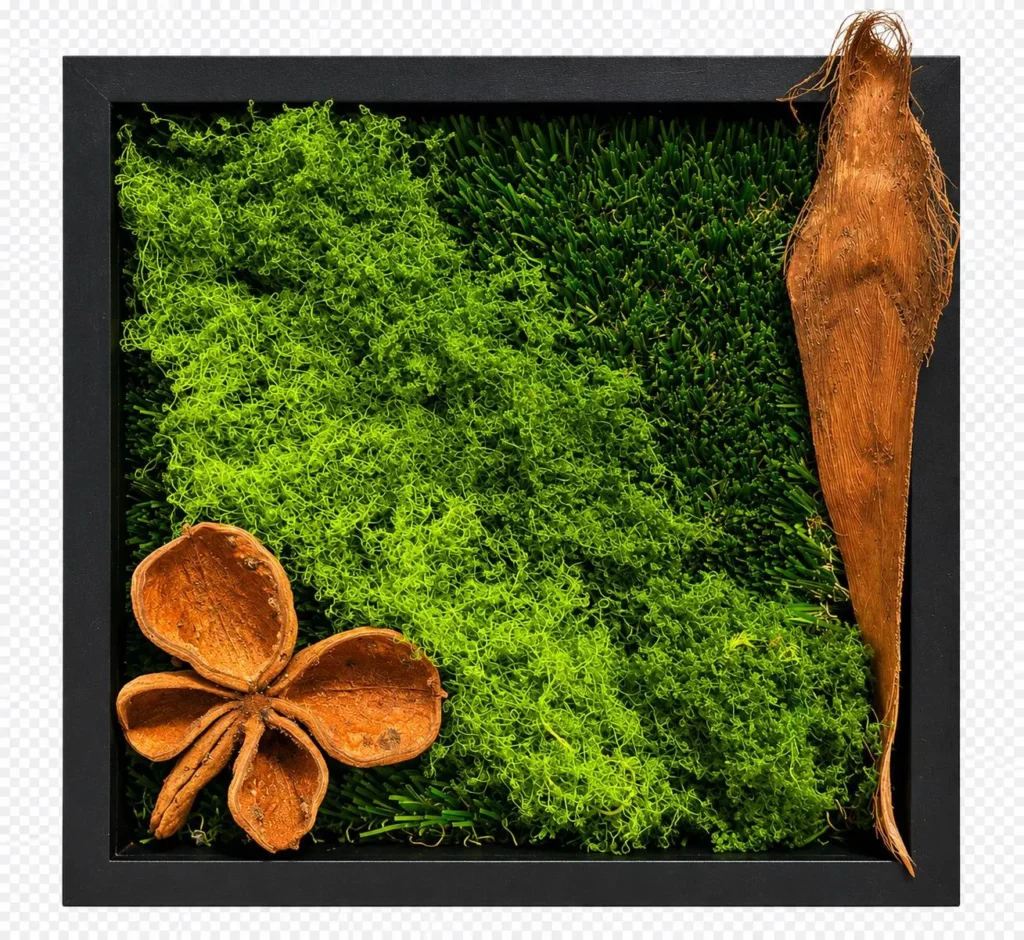
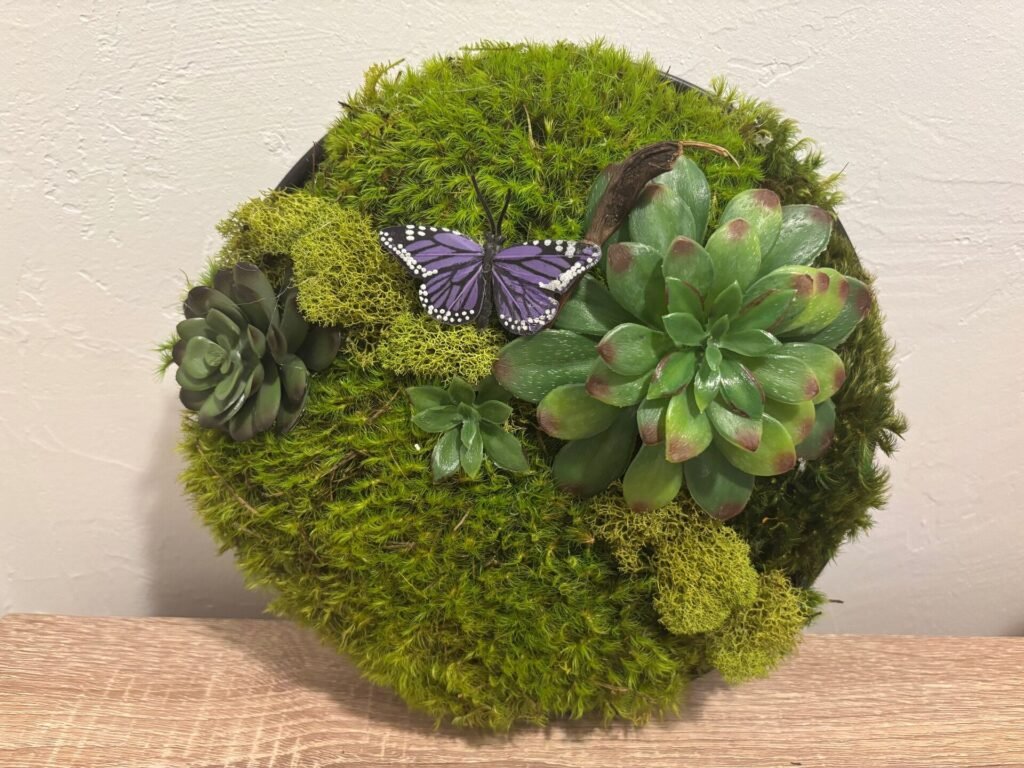
Every nature-focused interior needs one element that sets the visual tone. In a bedroom, that anchor could be a preserved moss panel mounted above the bed or on a wall opposite the door. Moss wall art works well because its texture is dense and alive-looking without requiring light or water. It adds the deep green of a forest floor without the upkeep of live plants.
Why start with one piece? A single anchor gives you a clear reference point. The rest of the room's colours, materials and lighting can then respond to it. If you place a moss panel on the main wall, the muted green becomes the dominant natural tone. All other decisions - from bedding to wall paint to curtain colour - can either harmonise with that green or provide a subtle contrast. This approach prevents the room from collecting too many competing natural elements that end up feeling busy rather than serene.
When choosing the size of your moss art, consider the wall's scale. A small panel on a large, empty wall will look lost and force the eye to search for a focal point. A panel that covers roughly a third to half of the bed's width (if placed above it) or about a quarter of a feature wall tends to feel balanced. The moss art should feel like a deliberate part of the architecture, not an afterthought.
Build a neutral colour palette around the green
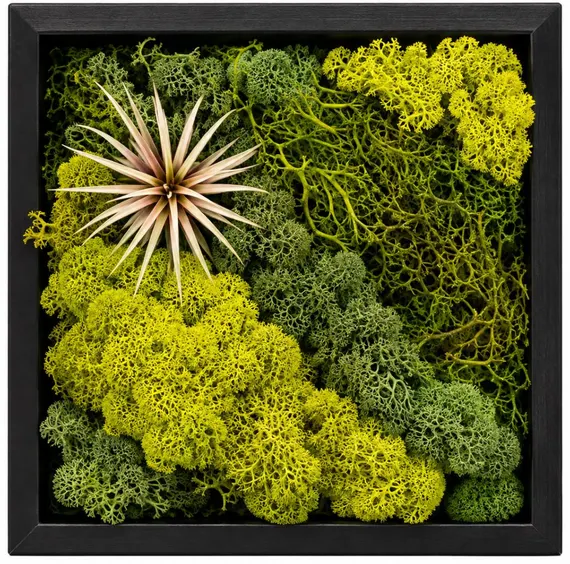
Color psychology tells us that greens, beiges and soft greys promote rest and reduce stress. In a bedroom, where the primary function is rest and recovery, these colours are especially effective. The moss itself provides a rich, varied green - not a flat shade but a mix of lighter and darker patches, sometimes with hints of brown or grey from preserved lichen or other natural inclusions.
To let the moss stand out, the surrounding colours should stay neutral. Off-white walls, warm cream bed linens, and natural wood furniture create a backdrop that makes the green appear more vivid without competing with it. Avoid bright accent colours on the same wall as the moss; they will pull attention away from the texture and break the visual calm. If you want a second colour, choose a muted earth tone - a clay orange or a dusty blue - and use it sparingly on a single cushion or a small throw.
Neutral tones also help the bedroom feel larger and more open. A room with too many saturated colours can feel visually smaller and more tiring, which works against the idea of a restful sleep space. By keeping the palette restrained, you allow the moss art to do the heavy lifting of adding interest and depth.
Balance texture with negative space
Texture is the primary draw of preserved moss. Its velvety surface invites touch and creates a soft, irregular pattern that changes as the light moves across it. But texture needs room to breathe. If every surface in the bedroom is textured - a chunky rug, a woven headboard, patterned curtains, ribbed lampshades - the room becomes visually noisy. The brain has nowhere to rest.
Negative space is the plain, empty area around and between objects. In a nature-focused interior, negative space is not wasted; it is essential. Leave at least a hand's width of bare wall around your moss art. Let the bedside tables be simple and unadorned. Choose a bed frame with clean lines and no carving. The contrast between the moss's rich texture and the smooth, empty surfaces around it makes the art feel intentional and valuable.
The same principle applies to the floor. A plain wood or cork floor, or a low-pile natural fibre rug, grounds the room without adding competing texture. If you want a rug, keep it in a solid neutral tone or a very subtle pattern. The moss art should be the textural highlight, not one of several.
Use soft lighting to shape the atmosphere
Lighting in a bedroom with moss art needs to be soft and indirect. Harsh overhead lights will create strong shadows that make the moss look patchy and flatten its three-dimensional quality. Instead, use multiple light sources at different heights: a table lamp on the nightstand, a floor lamp in a corner, and perhaps a warm LED strip behind a headboard or along a shelf.
Dimmer switches give you control. At full brightness, the moss art is clearly visible as a textured wall feature. Dimmed to a warm glow, the same piece becomes a soft shadowy shape that still adds depth without demanding attention. That flexibility is useful for a bedroom: you may want bright light for reading or dressing and a much softer level for unwinding before sleep.
Avoid placing a light source too close to the moss. Preserved moss does not need light to stay alive, and strong direct light can dry it out or cause the colour to fade over time. Indirect ambient lighting that washes the wall gently is ideal. A picture light mounted above the moss panel, angled down at a shallow angle, can highlight the texture without overwhelming it.
Define zones with natural materials
A bedroom often serves more than one purpose. It is a sleeping space, a dressing area, and sometimes a reading nook or home office corner. Moss art can help define these zones without adding walls or screens. Place a moss panel in the reading nook to signal that corner as a calm, separate area. In a home office corner of the bedroom, a smaller moss piece on the wall behind the desk can reduce screen glare and provide a restful view during breaks.
The key is to keep the natural theme consistent across zones. If the main sleeping area uses a large moss anchor, the reading nook might use a smaller piece or a different texture, such as a preserved fern frame. The materials should feel like variations of the same idea, not different styles competing. A bedroom with a nature focus should feel cohesive; each zone simply emphasises a different aspect of the same calm palette.
You can also use furniture to reinforce the zones. A low bookshelf or a bench at the foot of the bed acts as a visual divider. Keep these pieces in natural wood or a neutral colour to maintain the flow. The moss art remains the consistent element that ties the zones together.
Maintain the natural feel with simple upkeep
Preserved moss requires almost no maintenance, which is part of its appeal. It does not need water, soil or light. The only regular care is to keep it away from direct sunlight and high humidity. A bedroom that gets strong afternoon sun may need blinds or curtains to protect the moss from bleaching. Similarly, avoid placing moss art directly above a radiator or in a bathroom attached to the bedroom where steam might cause the moss to become brittle.
Dust can settle on the moss surface over months. A gentle wipe with a dry, soft brush or a low-suction vacuum with a brush attachment is enough to keep it clean. Do not use water, cleaning sprays or compressed air, as these can damage the preserved structure. With this minimal care, the moss art will keep its colour and texture for years.
Trust your own sense of calm
Styling a nature-focused interior comes down to one simple test: does the room feel quieter when you walk in? If the moss art and the surrounding choices make you exhale, then the principles are working. You do not need every corner to follow a rule. A bedroom that feels personal and restful is the goal. The moss art is there to support that feeling, not to dominate it.
When you are ready to choose your moss art, consider a brand like WooPay that specialises in preserved moss wall panels. WooPay offers a range of sizes and natural green tones that fit the principles discussed here. Their panels are designed to be mounted easily and to maintain their appearance with minimal effort. A single panel from WooPay can become the natural anchor that sets the tone for your entire bedroom makeover.
Remember that the art itself is only part of the equation. The wall space around it, the colours you pair it with, and the light you use to see it all contribute to the final effect. Start simple, observe how the room feels, and adjust gradually. A nature-focused interior is a process of refinement, not a one-time decoration.